
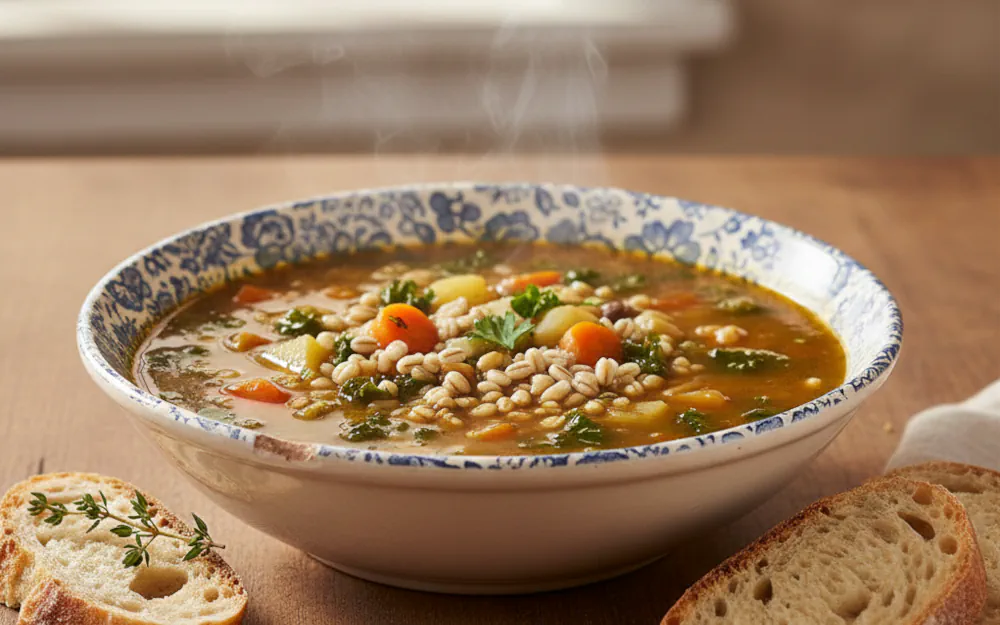
Whether you are looking for a chewy texture to elevate a salad or a nutritional boost for your heart, barley delivers on all fronts.
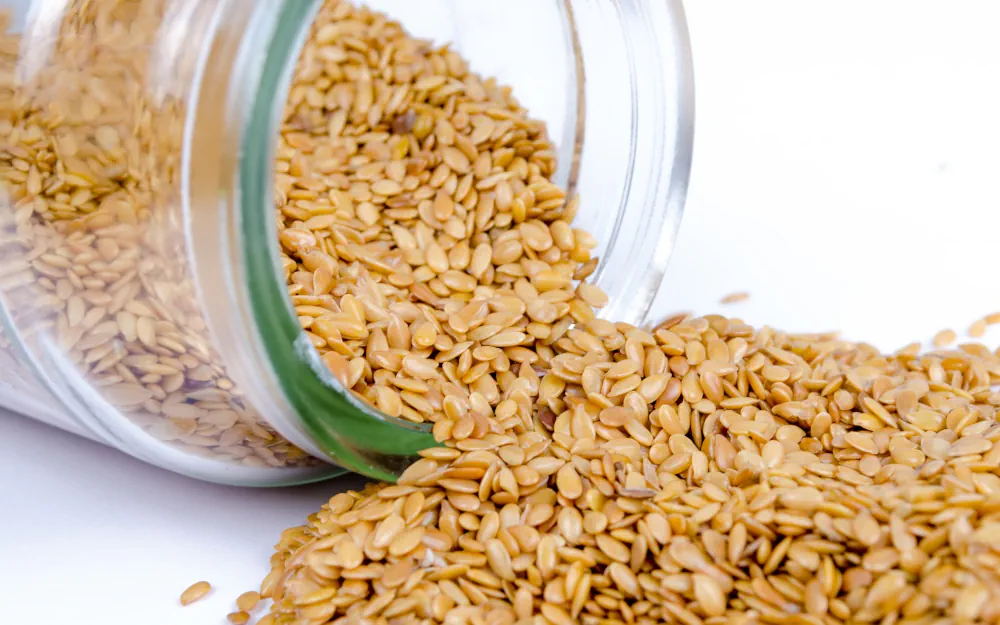
Barley is often the unsung hero of the pantry. While it frequently plays a supporting role in soups, this ancient grain deserves a spot centre-stage in your Healthy Eating routine. Whether you are looking for a chewy texture to elevate a salad or a nutritional boost for your heart, barley delivers on all fronts.
Understanding the Varieties
Not all barley is created equal. Depending on how much of the grain is processed, you will find three main types:
Wholegrain Barley
The most natural form. Only the inedible outer hull is removed, leaving the bran and germ intact. It requires the longest cooking time but offers the highest fibre content.
Hulled Barley
A middle ground where the grain is minimally processed. It retains most of its nutritional integrity and has a wonderful, nutty bite.
Pearl Barley
The most common variety in British kitchens. The bran layer is removed through “pearling.” While it cooks faster and has a softer texture, it contains slightly less fibre than its wholegrain cousins.
Nutritional Profile & Scientific Benefits
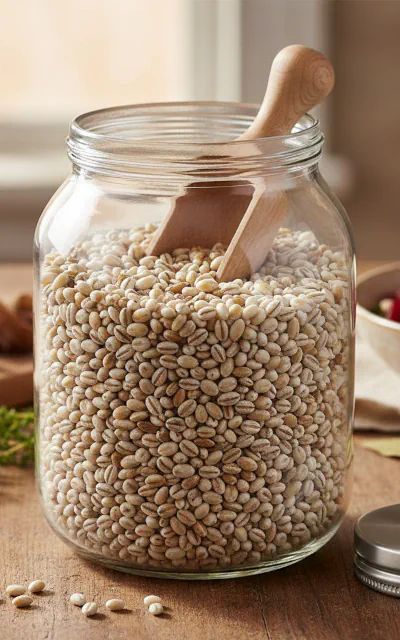
Barley isn’t just filling; it is a functional food. Here is why it deserves a permanent place in your glass jars:
Beta-Glucan Power: Barley is exceptionally rich in beta-glucan, a soluble fibre known to reduce LDL (bad) cholesterol.
Scientific Fact: Research suggests that consuming 3g of barley beta-glucans per day can reduce the risk of coronary heart disease by significantly lowering cholesterol levels.
Glycaemic Index (GI): Barley has one of the lowest GI scores of all grains. Pearl barley sits at approximately 25–35, compared to white rice which is often above 70. This ensures a slow release of energy and stable blood sugar levels.
Mineral Rich: It is a fantastic source of Selenium (essential for thyroid health), Magnesium, and Manganese
| Nutrient (per 100g cooked) | Pearl Barley | Wholegrain Barley |
| Fibre | 3.8g | 17.3g (raw) |
| Protein | 2.3g | 3.5g |
| Glycaemic Index | Low (approx. 28) | Very Low (approx. 22) |
In the Kitchen: Three Easy Ways to Enjoy Barley
Try these British-inspired preparations:
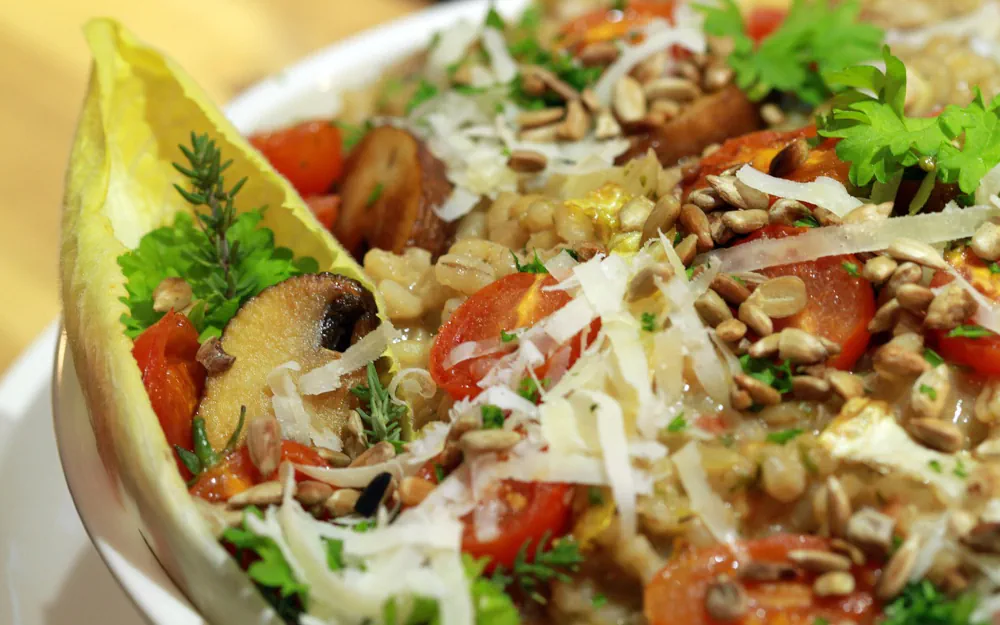
- The ‘Orzotto’: Swap Arborio rice for pearl barley. It maintains a firm “al dente” texture even after long simmering. It’s perfect with wild mushrooms and a touch of thyme.
- The Rainbow Salad: Toss cooked hulled barley with roasted beetroot, feta cheese, and plenty of fresh parsley.
- Winter Broth: A classic British staple. Add barley to a vegetable and lamb stew; the grain acts as a natural thickener, creating a rich, silky consistency.