

While it might seem like the safest place for everything fresh, the fridge is actually the worst enemy of many common ingredients.
Cold temperatures can destroy delicate flavours, ruin textures, and even make your food spoil faster. To help you get the absolute best out of your groceries (and save some precious shelf space), we’ve put together the ultimate guide to the foods that should stay firmly in the pantry.
The Comprehensive “No-Fridge” Guide
1. Fresh Produce
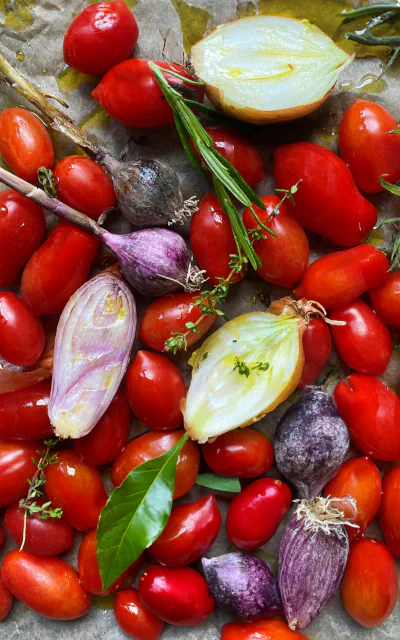
- Tomatoes: Cold temperatures inhibit the enzymes that give tomatoes their flavour and cause the cell membranes to collapse, resulting in a mealy, floury texture. Store them on the counter away from direct sunlight.
- Potatoes: In the fridge, the starch in potatoes converts to sugar, making them gritty and unnaturally sweet. Keep them in a paper bag (to allow breathing) in a cool, dark cupboard.
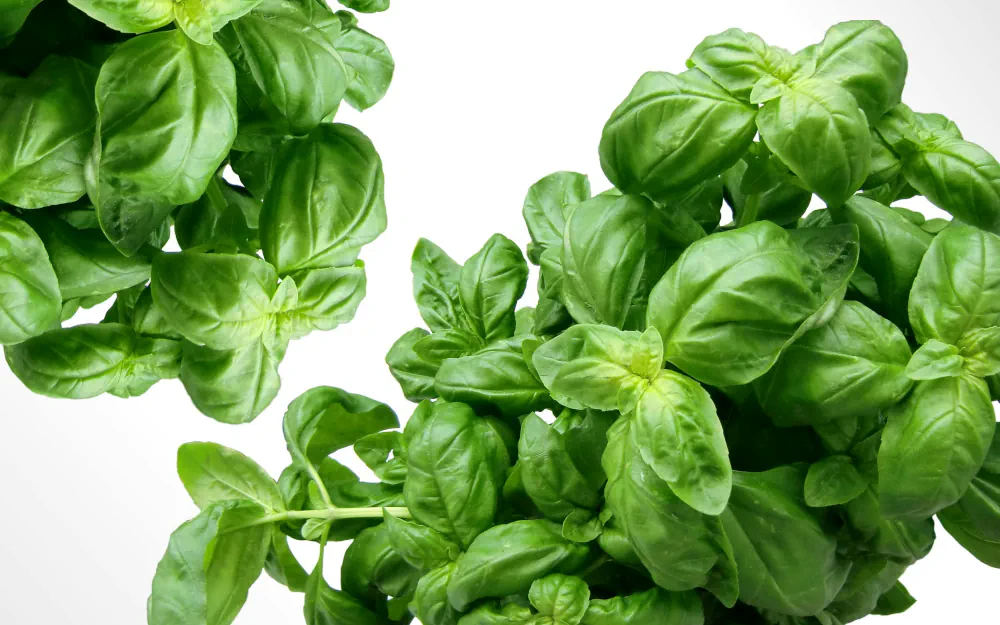
- Aromatic Herbs: They are born and grow in the sun, so they do not like the cold of a refrigerator. If stored in the refrigerator, aromatic herbs wilt quickly and quickly absorb bad odours. As with flowers, the best way to preserve them is in a jar filled with water.
- Onions & Shallots: They need air circulation to stay crisp. The humidity of a fridge makes them soft and mouldy. Note: Once cut, however, they must be wrapped and refrigerated.
- Garlic: Much like onions, garlic will start to sprout or become rubbery in the cold. It prefers a dry, airy spot.
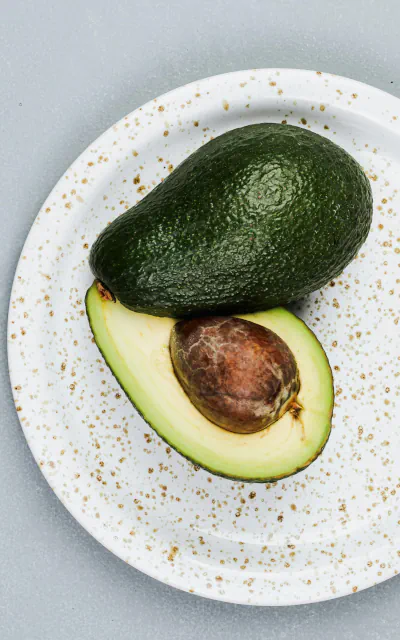
- Avocados: If they are hard and unripe, the fridge will completely halt the ripening process. Only refrigerate them once they are perfectly ripe to extend their life by a day or two.
2. Fruits & Tropicals
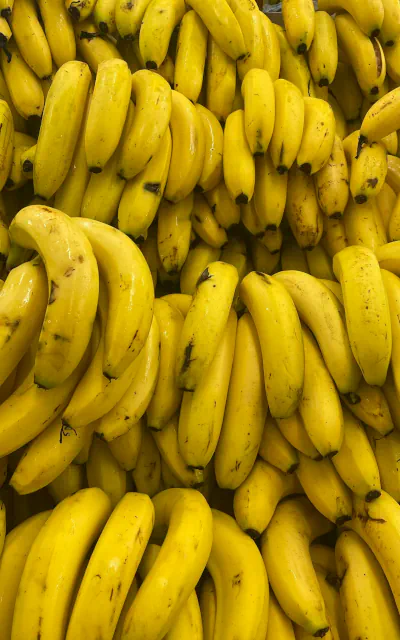
- Bananas: The cold turns the skin black quickly (though the fruit inside stays firm). They are best kept in a fruit bowl.
- Stone Fruits (Peaches, Plums, Nectarines): These should ripen at room temperature to develop their juices and sweetness.
- Melons: Whole melons (cantaloupe, watermelon) stay more nutritious at room temperature, as their antioxidant levels remain more stable. Once sliced, they must go in the fridge.
3. The Pantry Staples
- Bread: This is a common mistake. The cold causes the starch to crystallise, making the bread stale and toughmuch faster than if kept in a bread bin or a cool cupboard.
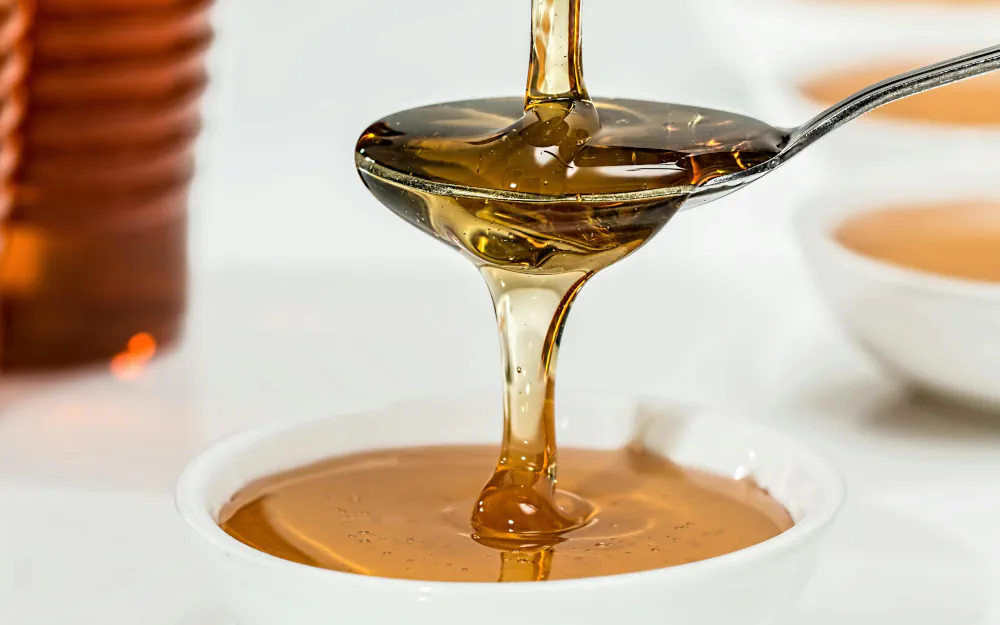
- Honey: Pure honey is naturally preserved. Putting it in the fridge causes it to crystallise and seize up, making it impossible to pour.
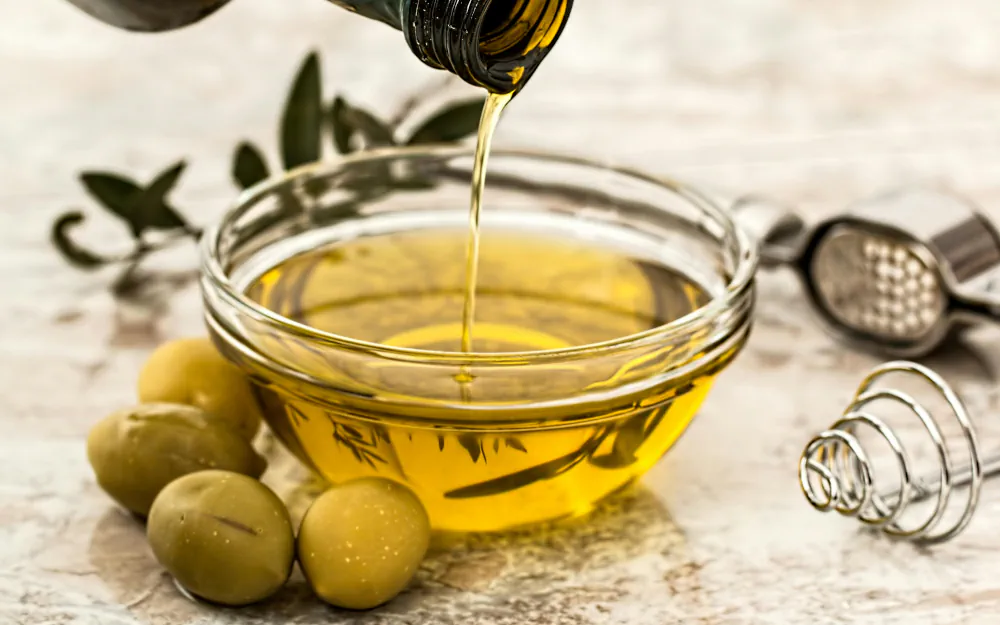
- Olive Oil: It will solidify and turn cloudy at low temperatures. While it doesn’t “spoil” the oil, it makes it difficult to use until it warms up again.
- Coffee: Whether beans or grounds, coffee acts like a sponge for moisture and smells. A fridge is full of both. Keep it in an airtight container in a dark pantry to preserve the volatile oils.
4. Condiments & Preserves
- Hot Sauce: Most vinegar-based hot sauces can live in the pantry for up to three years. The cold can dull the heat of the peppers.
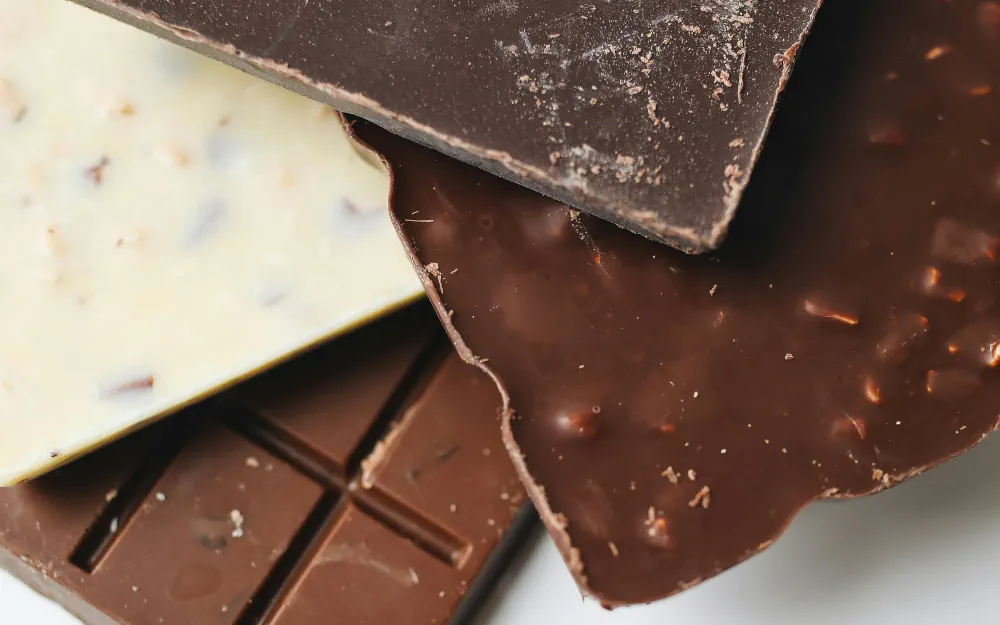
- Chocolate: Refrigeration can cause “sugar bloom” (that white coating), which happens when the sugar reacts with moisture. It affects the mouthfeel and texture.
Why Spices Stay Out of the Fridge
Odour Absorption: Spices are hygroscopic, which means they absorb surrounding odours. You never want your spice mix to start smelling like cheese or yesterday’s leftovers!
Humidity is the Enemy: The refrigerator is a humid environment. When you open and close the container, condensation settles on the dust or seeds, causing lumps to form and, in the worst cases, mould.
Loss of Essential Oils: Cold weather can alter or weaken the essential oils that give spices their aroma and properties.
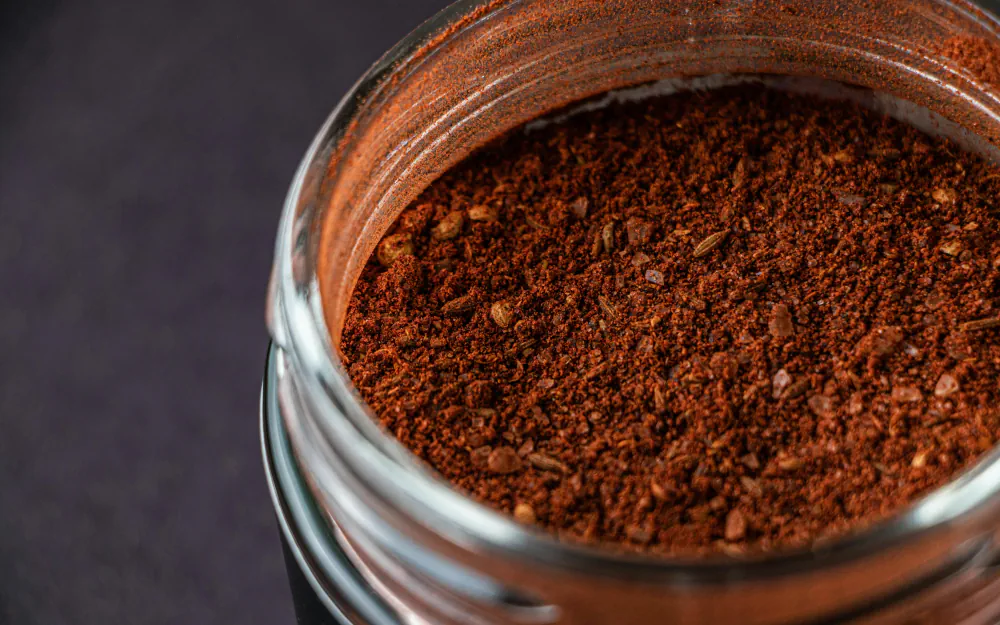
Photo credits: Pixabay Pexels
Photo credits: Karolina Grabowska Pexels
Photo credits: Thgusstavo Santana Pexels
Photo credits: Polina Tankilevitch Pexels
Photo credits: Samer Daboul Pexels