No products in the basket.

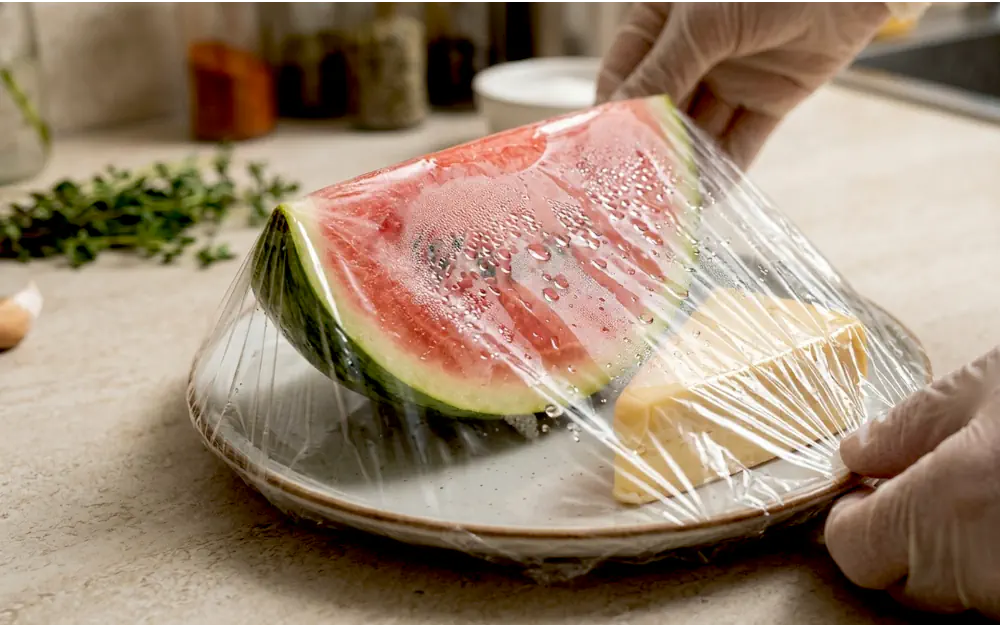
We all do it without thinking. Dinner finishes, there are leftovers, and out comes the cling film. It feels like the ultimate way to keep food fresh, especially during the warm summer months.
However, when it comes to food safety, that trusty roll of plastic might actually be doing more harm than good.
The Moisture Trap
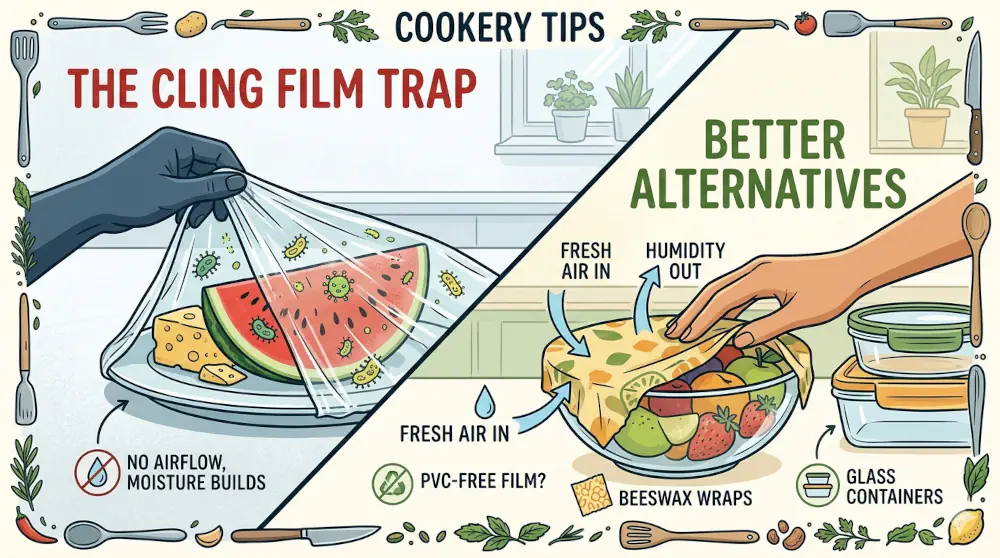
Cling film is brilliant at creating an airtight seal, but that is precisely the problem. It traps heat and moisture inside, preventing the food from “breathing”.
When warm or room-temperature food is wrapped, condensation forms on the underside of the film. This creates a humid, greenhouse-like microclimate. For foods high in water content and fats, this damp environment is the absolute perfect breeding ground for bacteria to multiply rapidly.
Not All Cling Films Are Created Equal (The Chemical Risk)
Beyond bacteria, there is another hidden risk: the material itself.
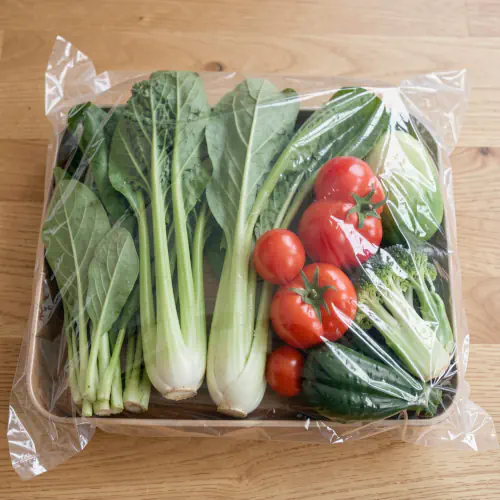
Traditional, heavy-duty cling film is often made of PVC (polyvinyl chloride). To make PVC flexible, manufacturers add chemicals called phthalates or plasticisers. The danger arises when these films touch foods rich in fats and oils; the fat acts like a magnet, causing these potentially harmful chemicals to migrate directly into your food, especially if it is still warm.
What to do instead: Always check the packaging before you buy. Look for catering wraps explicitly labelled as “PVC-Free” or made from PE (polyethylene), which is much safer for direct food contact.
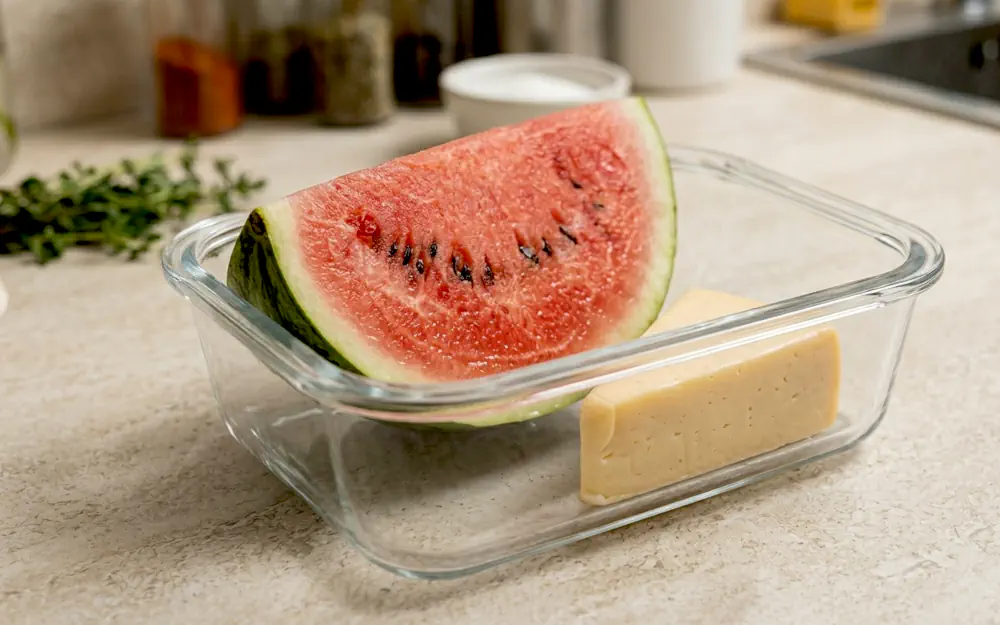
Better Alternatives for Summer Food Safety
If you want to ditch the plastic altogether, try these safer kitchen habits:
Glass Containers: Store leftovers in shallow glass containers until completely cooled, then seal.
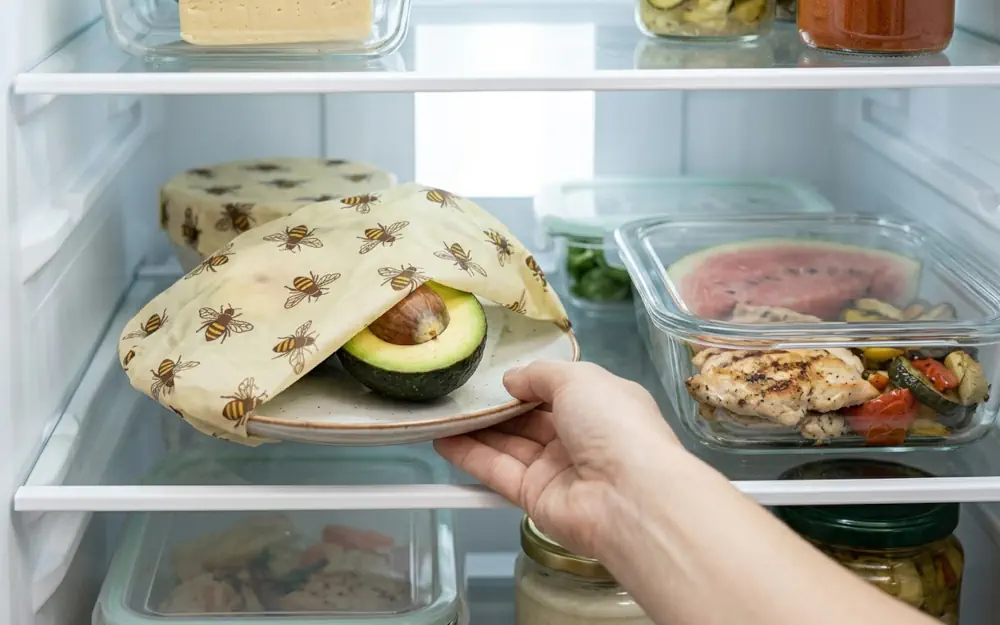
Beeswax Wraps: A fantastic breathable alternative that protects food without trapping excess moisture.
The Plate Method: Simply place a ceramic plate over a bowl. It allows just enough ventilation while keeping the food covered in the fridge.
Chef’s Note
Always let your food cool down completely before sealing it away in the fridge. Putting warm food straight into a sealed container raises the internal temperature of your fridge, putting your other ingredients at risk too