
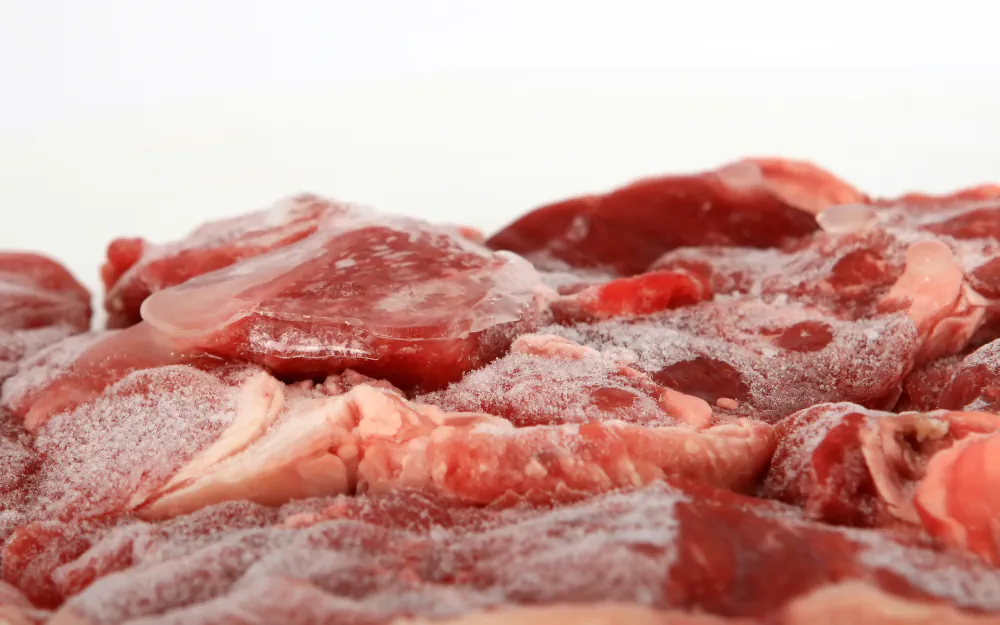
Bacteria contained in food can be extremely harmful to our health. For this reason, it is important to know how to defrost meat without risks.
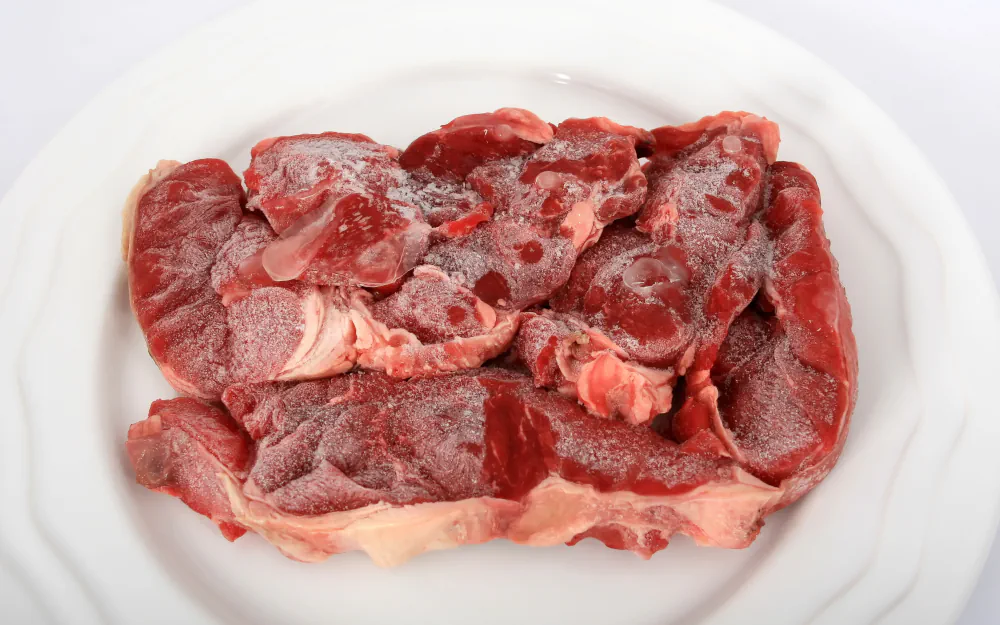
When it comes to preparing a great meal, patience is the secret ingredient—especially during the thawing process. To maintain the quality of your ingredients and, most importantly, ensure the safety of your kitchen, following the correct defrosting methods is essential.
The Golden Rule: Temperature Control
The fundamental condition for defrosting meat of any type, whether white or red, minced or whole, is to never do it at room temperature or even by placing it on the radiator. Bacteria love heat and in this way they would have all the ideal conditions to multiply.
The “Danger Zone” for bacterial growth is between 8°C and 63°C. To keep your meat safe, you must ensure it spends as little time as possible in this range.
Here are the three most reliable ways to thaw meat:
The Fridge Method (Recommended) This is the gold standard for food safety. Plan ahead and move your meat from the freezer to the bottom shelf of the fridge.
Pro: It keeps the meat at a consistent, safe temperature.
Tip: Always place the meat in a deep dish or a transparent glass container to prevent any juices from dripping onto other foods.
The Cold Water Submersion If you are short on time, this is a faster alternative. Seal the meat in a leak-proof bag and submerge it in a bowl of cold tap water.
Note: Change the water every 30 minutes to ensure it stays cold.
Warning: Never use warm or hot water, as this encourages bacterial growth on the outer layers while the centre remains frozen.
The Microwave Defrost Use this only if you intend to cook the meat immediately afterwards.
Why? Microwaves can create “hot spots” where parts of the meat start to cook during the defrosting cycle, reaching temperatures where bacteria can thrive.
What to Avoid
The Kitchen Counter: Never leave meat to thaw at room temperature on the worktop.
The Radiator: It might be tempting to speed things up, but this is a recipe for disaster.
Do not refreeze defrosted meat
It is important: the low temperatures of the freezer do not destroy bacteria but make them inactive. Bringing the food to higher temperatures allows these microorganisms to become active again and therefore they will start to multiply, becoming a risk to our health. Bacteria can only be destroyed with high cooking temperatures, therefore above 70 ° C on average.
So it is important not to let too much time pass between the time of defrosting and cooking. Absolutely do not put a piece of meat that has already been defrosted back into the freezer. If necessary, this meat can be cooked and, once cooled, it can be frozen again.